Torn between Warwick and Chester for your next move? You’re not alone. Both offer small‑town charm, outdoor access, and attainable single‑family homes, which makes choosing feel harder than it should. In this guide, you’ll compare housing styles, village versus rural living, commute options, and the trade‑offs that matter for daily life. By the end, you’ll know which path fits your priorities and what to do next. Let’s dive in.
Quick feel for each town
Warwick at a glance
Warwick sits in southern Orange County with a mix of historic village streets, suburban neighborhoods, farms, and rural hills. You’ll find walkable areas near Main Street plus quieter roads with bigger lots outside the village. Some homes sit near lakes, which can add recreation appeal and unique property features.
Chester at a glance
Chester offers a compact, historic village center surrounded by established neighborhoods and open land. It shares the same blend of village convenience and rural privacy, with a smaller footprint that keeps daily routines straightforward for many residents seeking simplicity.
Housing options you will see
- Historic village homes: Victorian, Colonial, and early 20th‑century houses on smaller lots near Main Street. Many are updated; some invite renovation.
- Mid‑century and later single‑family homes: Found in established subdivisions with more interior space and larger yards, popular with move‑up buyers.
- Rural properties: Farmhouses, country colonials, and homes on larger parcels. You may see barns or outbuildings.
- Recent infill and small new‑builds: Available in limited pockets in both towns.
- Condos and attached homes: Inventory is limited; most options are single‑family.
Older homes are common. Plan for a thorough inspection and budget for typical items like mechanicals, roofs, and foundations. If you love character, you can often find it here; if you prefer turnkey, focus on recently renovated homes or newer builds.
What your budget tends to buy
- Entry/move‑up starter band: Smaller 2–3 bedroom cottages, older ranches, or modest homes with simpler finishes. Expect trade‑offs such as smaller lots or planned updates.
- Mid band: The sweet spot for many move‑up buyers. Think 3–4 bedroom colonials, renovated older homes, and newer single‑family houses with moderate yards.
- Premium band: Fully renovated historic homes, larger newer builds, and multi‑acre properties with privacy or special features like views or unique outbuildings.
In both towns, village addresses usually command a higher price per square foot because of walkability and access to cafés, shops, and events. Warwick also includes lake‑adjacent options that can carry a lifestyle premium. Chester’s village has an appealing historic core; renovated homes close to Main Street often sit at the top of its market.
Village life vs rural privacy
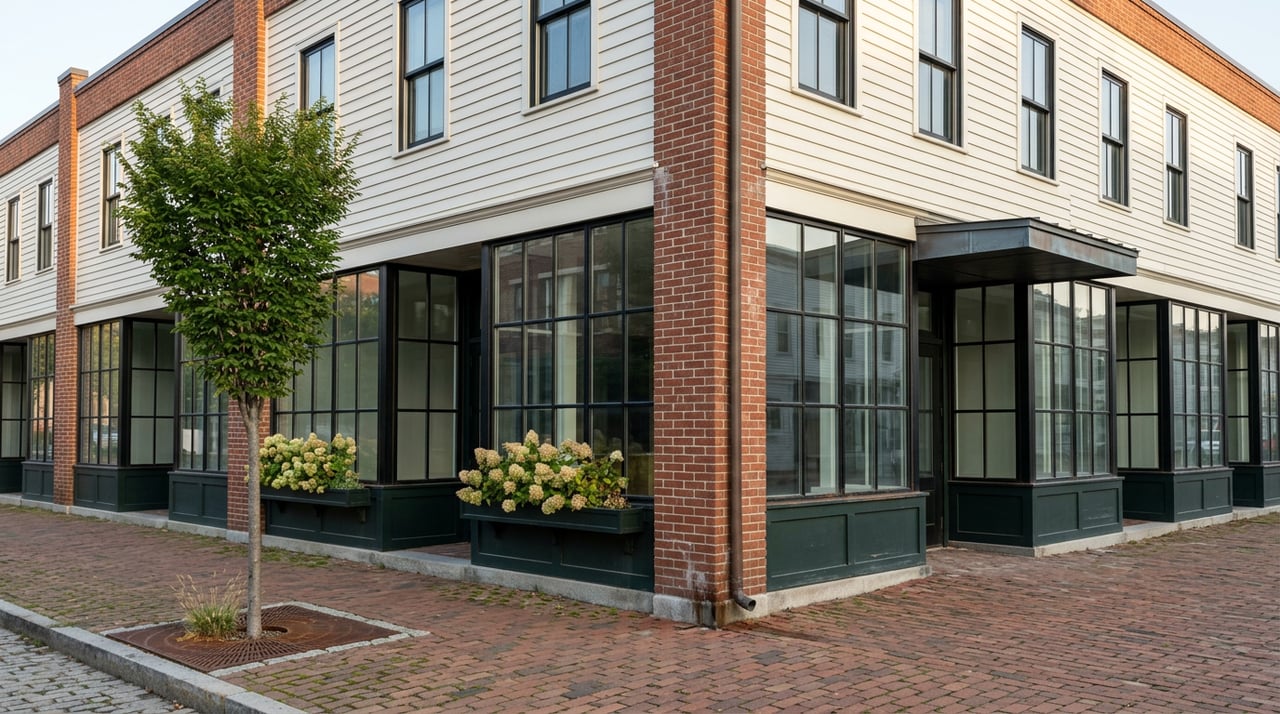
- Village living: You gain walkability, shorter school and errand runs, and frequent community events. Lots tend to be smaller and pricing per square foot higher.
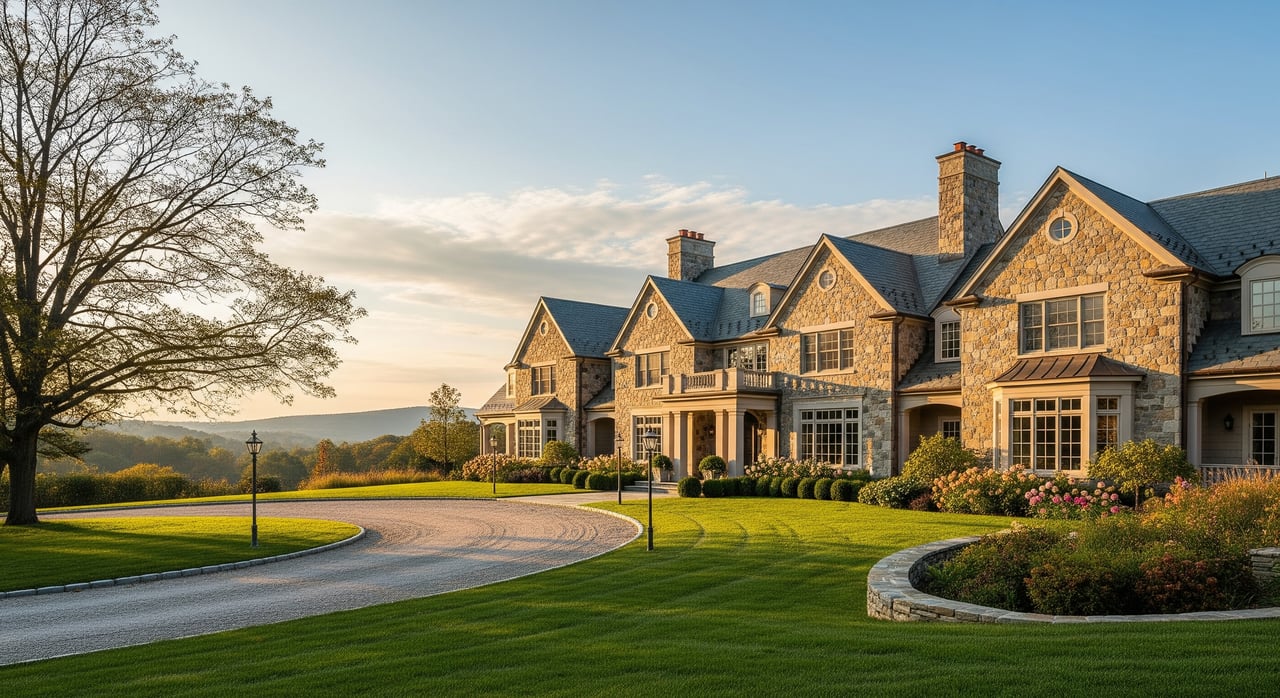
- Town/rural living: You gain privacy, larger yards, and space for additions or outbuildings. Plan for more driving, possible well and septic systems, and added maintenance.
Zoning differs between village and town jurisdictions. Villages often allow smaller lots and more density. Outside the villages, minimum lot sizes may be larger with agricultural or open‑space designations. If you’re planning an addition, an accessory dwelling, a pool, or a barn, review local zoning and building rules before you commit.
Commuting and getting around
Many residents commute within the Hudson Valley, northern New Jersey, or into New York City. Daily patterns vary by destination, schedule, and whether you drive, use park‑and‑ride with rail or bus, or mix modes. If commute time matters, test it in real conditions. A 10–20 minute change in your drive to a station or a highway can affect reliability and stress.
Practical tips:
- Run a live test from a specific address during your usual peak hours.
- Check current rail and bus schedules plus parking rules at park‑and‑ride lots.
- Weigh hybrid or remote work days. Some buyers stretch for a larger yard or a unique home if they commute less often.
Amenities and everyday logistics
- Schools: Both towns are served by local public school districts, with schools typically near village centers. Always verify current school boundaries for a specific address and consider visiting campuses to understand daily logistics.
- Healthcare: You’ll find primary and urgent care options in the county and larger hospitals in nearby towns. If emergency care proximity is critical, map routes from your shortlist.
- Groceries and retail: Village streets offer independent dining and specialty shops; larger supermarkets and big‑box retail sit in nearby commercial corridors.
- Recreation and community: The area is known for orchards, farms, trails, lakes, and seasonal events like farmers’ markets and festivals. Village centers often host arts and community gatherings that shape weekend plans and social life.
Decision guide: Warwick or Chester?
Use these levers to match the town and neighborhood to your goals:
- Commute tolerance: If time and predictability matter most, map multiple routes and modes from specific homes during peak hours.
- Walkability vs space: Choose village homes for errands and cafés on foot. Choose town or rural areas for privacy, pets, and room to grow.
- Property type and renovation: Prefer turnkey? Focus on newer homes or recently updated listings in the mid band. Love character? Historic village homes can reward patient upgrades.
- Schools and activities: Confirm the school assignment for the exact address and consider after‑school travel time and carpool logistics.
- Maintenance and overhead: Larger lots and older properties require more time and budget. Plan for landscaping, well and septic servicing, and periodic system upgrades.
- Taxes and carrying costs: Property taxes vary by town, school district, and assessment. Request recent tax bills for comparable homes to compare apples to apples.
Sample matches:
- Buyer A: You want shops and cafés nearby, short school runs, and less yard work. Look first at village addresses in either town.
- Buyer B: You want more bedrooms, a bigger yard, and space for a workshop or barn. Focus on town or rural parcels.
- Buyer C: You are commute‑sensitive with regular NYC days. Prioritize homes with reliable access to your preferred station, bus, or highway, then test the route live.
Your next steps
- Run a peak‑hour commute test from any serious candidate address.
- Request recent comparable sales and the current property tax bill for each shortlist home.
- Confirm the school assignment for the exact address and, if possible, visit the schools.
- Order a full inspection for older homes and budget for typical repairs.
- Verify zoning and building rules for any planned projects, including accessory dwellings.
- Check septic and well records and review any floodplain or wetlands overlays for rural parcels.
- Browse local calendars and community pages to feel the rhythm of village life.
Ready to narrow it to the right streets and homes for your lifestyle? With two decades in the Warwick/Chester market and a finance‑forward, design‑conscious approach, I help you balance numbers with everyday living. For a tailored neighborhood tour and a clear plan from search to closing, connect with Rebecca A Bank. Schedule a Consultation.
FAQs
How do Warwick and Chester differ for village walkability?
- Both offer walkable village centers near Main Street. Expect smaller lots and higher per‑square‑foot pricing in village areas, with easier access to shops, dining, and events.
What home types are most common in Warwick and Chester?
- You’ll see historic village houses, mid‑century and later single‑family homes in subdivisions, rural properties with larger lots, and limited condo or attached options.
How should I evaluate a NYC‑bound commute from these towns?
- Test your route in real time during peak hours, compare park‑and‑ride options for rail or bus, and factor in parking rules. Small differences in station access can matter.
Are there many new‑build homes in either town?
- New construction exists in small infill or limited subdivisions, but most inventory is older homes. If you prefer turnkey, target renovated listings or recent builds.
What should I budget for with older homes in this area?
- Plan for inspection items like roofs, mechanical systems, and foundations, and consider routine maintenance for wells and septic if the property is not on municipal services.
How can I compare property taxes between Warwick and Chester?
- Request recent tax bills for similar properties in each town and review assessed values, since taxes vary by town, school district, and assessment.