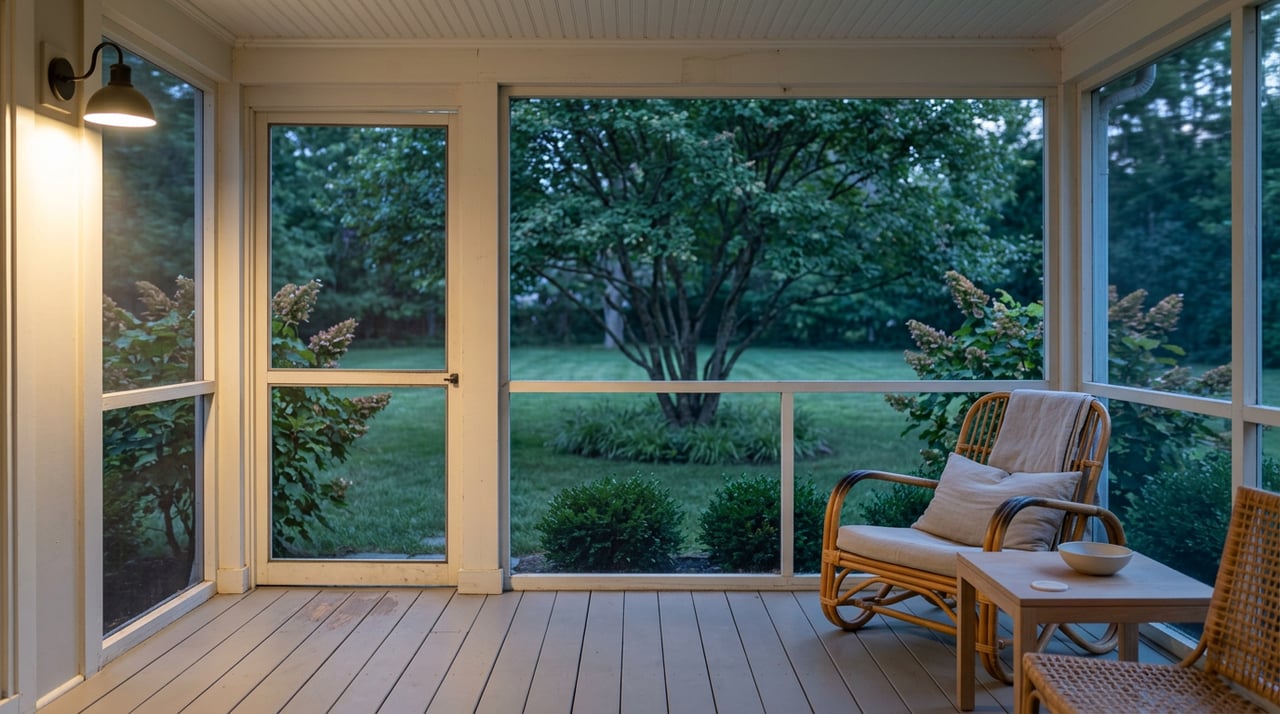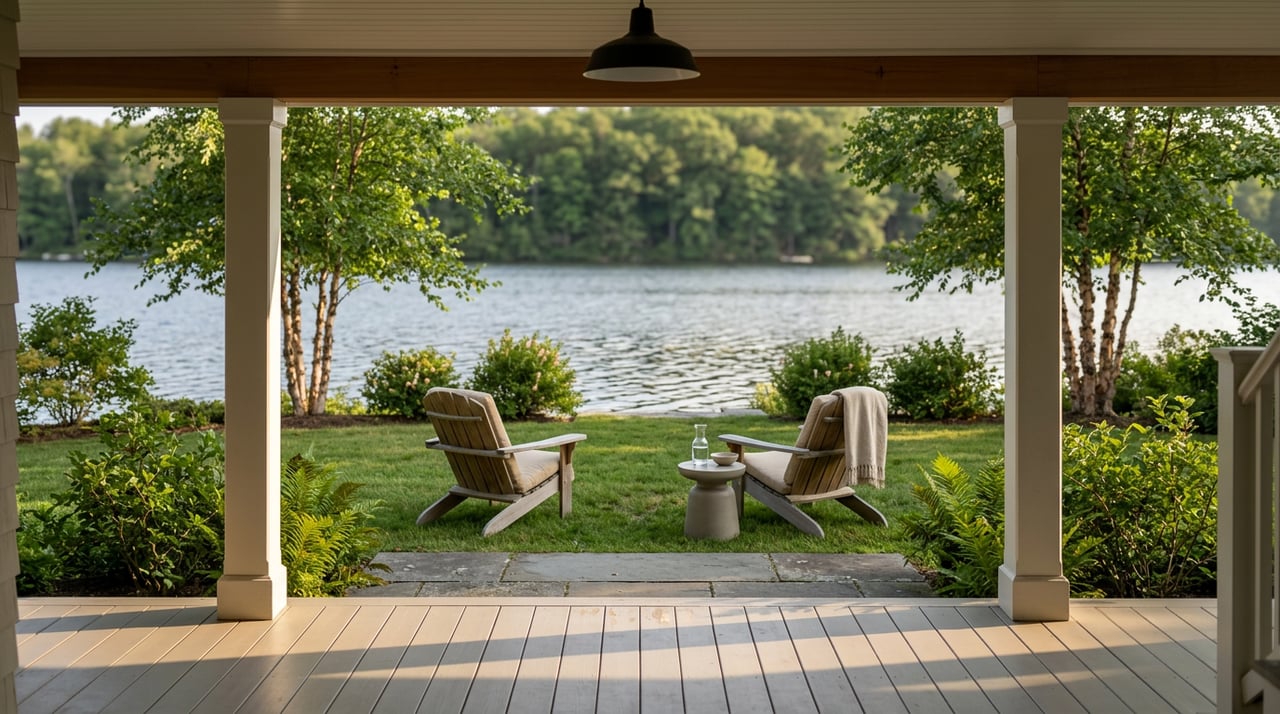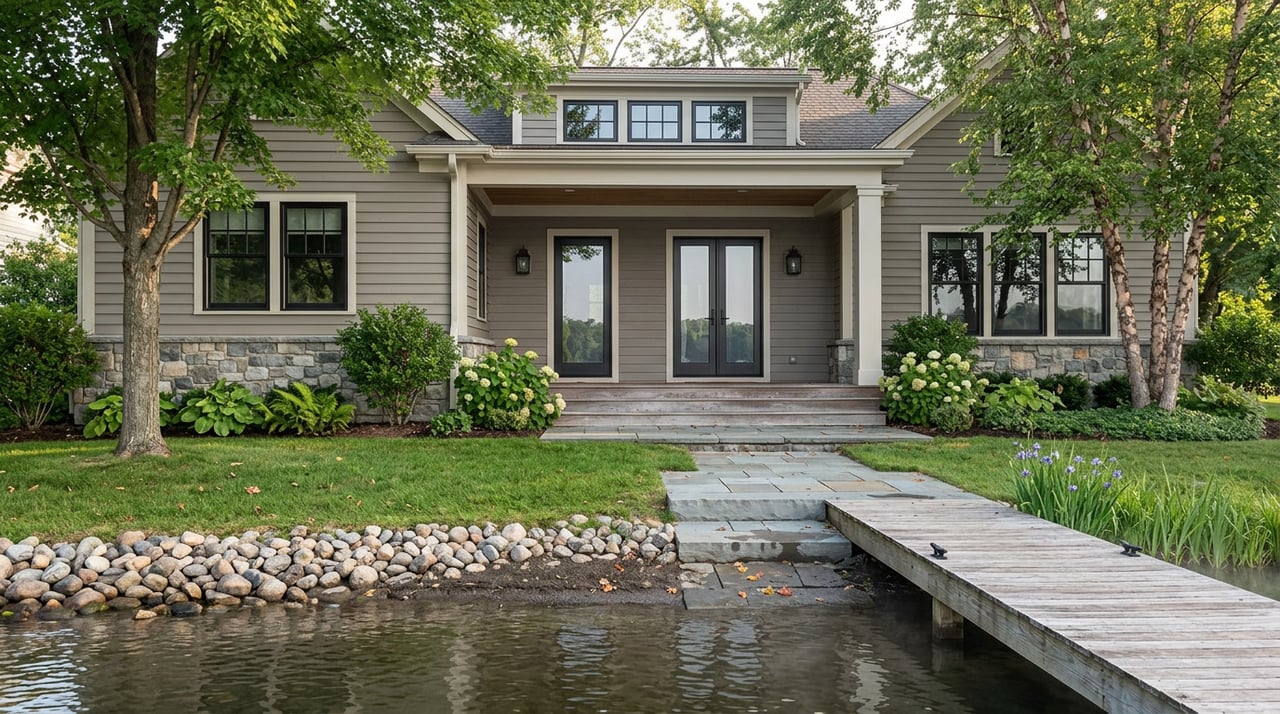
Coffee on the deck. Canoes gliding past your dock. A front‑row seat to golden sunsets. If you are picturing waterfront life on Greenwood Lake, you are not alone. You want the lake lifestyle without the surprises that can come with shoreline property. In this guide, you will learn what living on Greenwood Lake really looks like, how lake access and docks work, what to check during viewings, and the basics of financing and maintenance. Let’s dive in.
Greenwood Lake at a glance
Greenwood Lake is a village in the Town of Warwick, Orange County, New York, and the lake itself spans the New York–New Jersey border. The water body covers about 1,918 acres, with a mean depth of roughly 17 feet and a maximum depth near 57 feet. The New York State Department of Environmental Conservation notes that much of the shoreline is private, and most public boat access happens through marinas. These facts shape daily life on the water, from where you launch to how you maintain a dock. You can confirm lake stats and access notes on the NYSDEC Greenwood Lake page.
The village maintains local services, including a waterfront park and a municipal water department. Permits and utilities often run through village departments, while property assessment falls under Orange County. When you evaluate any lake home, plan to verify utilities and permits with the Village of Greenwood Lake’s departments.
Visit the NYSDEC Greenwood Lake page
Village of Greenwood Lake Water Department
Seasons and daily rhythm
Summer is the high season. You will see boating, wake sports, kayaking, and afternoon meetups at marinas and the village waterfront. Local marinas handle slips and fuel, and municipal events like concerts and beach programming add to the energy. For calendars and local happenings, check the Greenwood Lake Chamber of Commerce.
Late summer into fall brings calmer water and rich foliage. Early mornings can feel still and glassy, with good fishing for species the DEC highlights, like bass, walleye, and muskellunge. Day trips on nearby trails and harvest‑style community events round out the season.
Winter quiets the shoreline. Boating slows during freeze periods, and you may see ice skating or casual winter fun when local guidance allows it. This is when many owners schedule dock work, boat winterization, and shoreline repairs. Always check village advisories before using frozen water or scheduling in‑water work.
Explore events via the Chamber of Commerce
What waterfront homes include
You will find a mix of classic cottages and renovated year‑round homes. Many properties feature lakeside decks and outdoor spaces oriented to the water. Some parcels include a private dock or dock rights, while others provide shared association access or a view only. Because the shoreline is largely private, it is essential to confirm exactly what type of access you are buying.
Utilities can vary. Some homes connect to the village water system. Others use private wells and septic systems. Always confirm utility type on each listing and note how that affects maintenance and closing requirements.
Pricing spans a wide range that shifts with inventory and condition. As of the latest snapshot, active listings have appeared from the low‑to‑mid six figures to seven figures for larger or renovated waterfront homes. Treat these bands as context, not a quote, and plan to review current data with your agent when you are ready to tour.
How to evaluate a property
Confirm access and permits
Start with clarity on lake access. Ask whether the parcel includes true shoreline ownership, a dock easement, membership in an association with lake rights, or a view only. Then request documentation for docks, bulkheads, and shoreline improvements. Look for permits, engineer reports, and any recorded easements or riparian rights. The village building and water departments, along with county records, are first stops for permit history and utility status.
Check flood maps and insurance
If a structure sits in a FEMA Special Flood Hazard Area, a lender may require flood insurance. Before you fall in love, search the address on the FEMA Map Service Center and obtain an insurance quote. Your lender may also ask for an elevation certificate during underwriting. This is one of the most common surprises for lake buyers, so address it early.
Check the FEMA Map Service Center
Understand financing basics
Loan programs differ by occupancy. Government‑insured options like FHA and VA are primarily for owner‑occupied primary residences, while conventional lenders offer paths for primary homes, second homes, and investments with different down payments and documentation. Because rules change, talk to a mortgage professional at the start. HUD’s buying‑a‑home page is a good primer for program basics.
See HUD’s buying a home overview
Prioritize specialized inspections
Waterfront due diligence extends beyond a standard home inspection. Consider ordering:
- Dock and boat‑lift inspection, including pilings and electrical.
- Shoreline, bulkhead, or seawall evaluation by a marine contractor or engineer.
- Septic system inspection and permit review, if not on municipal sewer.
- A current survey that shows the mean high water line, setbacks, and any encroachments.
- Soil or geotechnical review for slopes or visible erosion.
- A title search focused on riparian rights and recorded easements.
These checks add time and cost, but they help you avoid expensive surprises later.
Ownership and maintenance essentials
Routine care
Plan for recurring upkeep. Common categories include dock and lift maintenance, shoreline or bulkhead repairs, septic pumping and potential upgrades, and winterizing boats and dock electrics. Insurance can be higher for waterfront homes, and flood coverage may apply based on location. Shoreline stabilization and bulkhead projects can be among the largest single costs, sometimes reaching into the tens of thousands depending on scope. Get local quotes before you commit to big projects.
Stewardship and water quality
Help keep the lake healthy. The NYSDEC promotes a Clean–Drain–Dry habit to prevent the spread of invasive species like milfoil or zebra mussels. Clean gear and boats before launch, drain bilges and livewells, and dry equipment fully between outings. These small practices protect water quality and property values long term.
Read DEC guidance on Clean–Drain–Dry
Shore work permits
In‑water work often requires review by the village and sometimes state or federal agencies. Docks, dredging, and bulkheads can trigger permits beyond local approvals. Ask sellers for records of any prior work and confirm your plans with the Village of Greenwood Lake and, where applicable, the U.S. Army Corps of Engineers.
U.S. Army Corps of Engineers, New York District
Utilities and services
Before closing, verify whether the home is on village water or a private well, and whether the waste system is municipal or septic. Utility type affects transfer items at closing, ongoing costs, and future upgrade decisions. The village publishes water department procedures and rates, which is helpful when comparing homes.
Quick buying tips
- Confirm whether the listing includes a private dock, a dock easement, association access, or view only.
- Ask the seller for permits and engineer reports for any shoreline stabilization, docks, or dredging.
- Check your flood‑zone status on the FEMA Map Service Center and get a flood insurance quote early.
- Order a dock and bulkhead inspection, and schedule a septic inspection if the property is not on municipal sewer.
- Request a current survey that clearly shows boundaries, setbacks, and shoreline reference lines.
Local resources
- Village of Greenwood Lake departments and water information: visit the village website for permits, utilities, and waterfront rules.
- NYSDEC Greenwood Lake page: lake stats, fisheries, and boating access notes.
- FEMA Map Service Center: flood maps and printable reports.
- U.S. Army Corps of Engineers, New York District: federal permitting information.
- Greenwood Lake Chamber of Commerce: events, marina info, and local business updates.
U.S. Army Corps of Engineers, NY District
Greenwood Lake Chamber of Commerce
Ready to explore the lake, compare access types, and buy with confidence? With two decades of experience and a finance‑forward approach, I guide you through valuations, inspections, permitting, and negotiation so you can enjoy the water, not worry about it. Reach out to schedule a private consult with Rebecca A Bank.
FAQs
What is the difference between true lakefront, lake rights, and view‑only in Greenwood Lake?
- True lakefront typically includes direct shoreline ownership and potential dock rights; lake rights usually mean access through an association or shared area; view‑only offers a water view without access.
Do I need flood insurance for a Greenwood Lake home?
- If your home lies in a FEMA Special Flood Hazard Area, lenders often require flood insurance; check your address on the FEMA Map Service Center and get quotes early.
How do dock permits and shoreline work approvals usually function?
- Shoreline work often needs village review and may require state or federal permits; request the seller’s permit history and confirm plans with the Village and the U.S. Army Corps of Engineers.
Are Greenwood Lake homes on municipal water or private systems?
- It varies by property; some connect to village water while others use private wells and septic, which affects maintenance, inspections, and closing items.
What seasonal changes should I expect as a waterfront owner?
- Summers are active with boating and community events, while winters are quiet with maintenance and winterization; always follow local advisories for ice and waterfront use.
Which financing options apply to second‑home or investment lake properties?
- Conventional loans offer paths for primary, second‑home, and investment use with different terms; government‑insured programs like FHA focus on owner‑occupied homes, so consult a lender early.