Should you buy a condo near Beacon’s Main Street or a single‑family house with a yard? If you are torn, you are not alone. Beacon offers both walkable, low‑maintenance condos and classic homes with space and privacy. In this guide, you will compare real costs, lifestyle tradeoffs, and resale considerations so you can decide with confidence. Let’s dive in.
Beacon market at a glance
Beacon sits in the mid‑range of Hudson Valley pricing. Recent data sources show median values ranging roughly from the low to mid‑$500Ks depending on methodology. City‑level medians are helpful, but street‑level comps give the most accurate read for your specific property type and location.
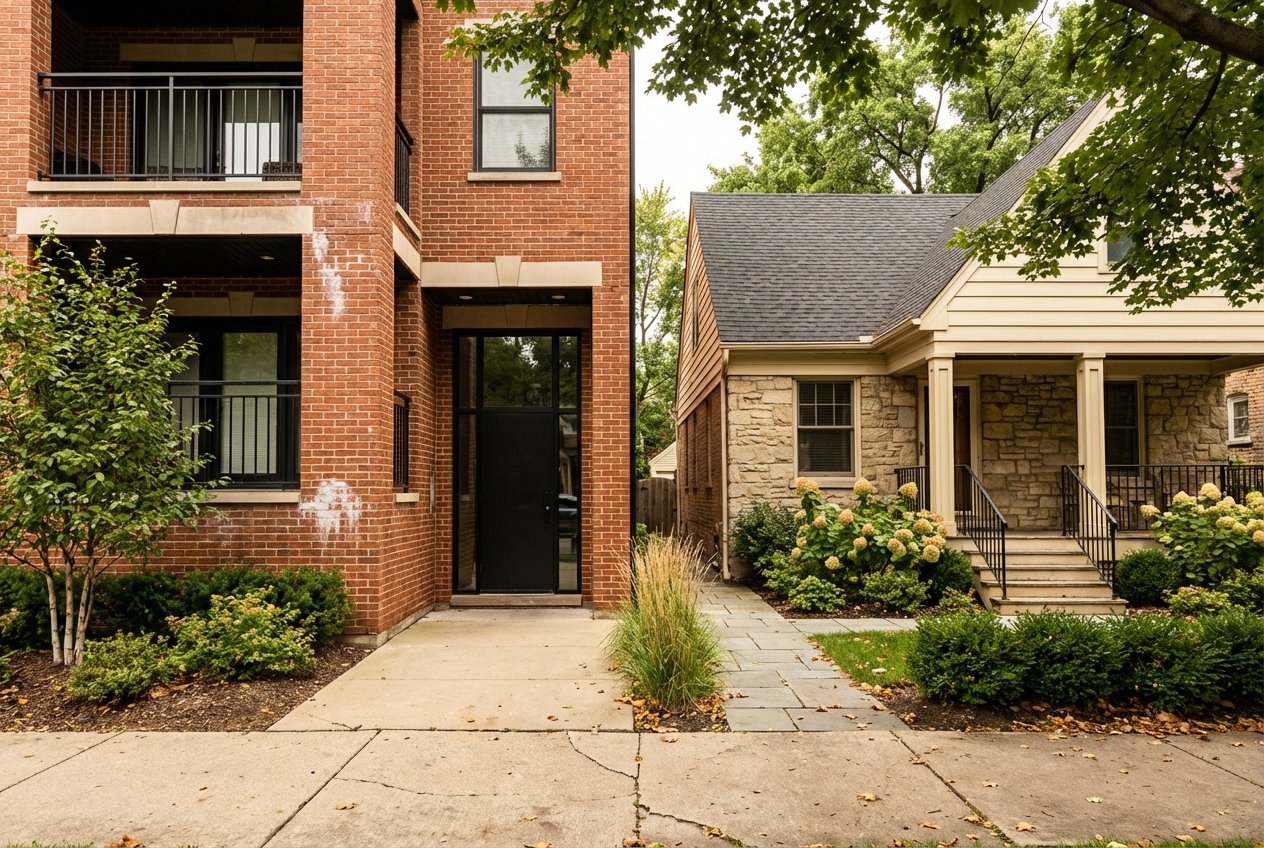
Condos in Beacon span converted lofts, newer river‑view buildings, and modestly sized units near Main Street. Single‑family homes range from Victorians and colonials to mid‑century ranches. Your best choice depends on your monthly budget, appetite for maintenance, and how you plan to use the space.
What costs more each month?
To compare options fairly, stack up every monthly cost side by side. For each property, total up your mortgage payment, estimated property taxes, HOA dues if applicable, homeowners or condo insurance, and typical utilities. This apples‑to‑apples view shows the true monthly difference between a condo and a house in Beacon.
In practice, condos can have a lower entry price and shift many chores to the association. That convenience comes with HOA dues that vary widely by building and amenities. Houses skip HOA fees but add maintenance and capital costs that you control and schedule.
Property taxes: how to estimate
Property taxes are a meaningful part of your monthly cost in Beacon. Dutchess County publishes official tax‑rate tables each year. The bill is based on assessed value, local rates, and any exemptions you qualify for, such as STAR. You can review current line items in the county’s 2025 tax rates table for the City of Beacon and Beacon Central School District and then run your numbers step by step. See the county guidance in the Dutchess County Real Property Tax Service rates table for details and current rates.
Here is a simple way to estimate using the county table:
- Find the taxable assessed value for the property you are considering.
- From the county table, add up the relevant homestead rates per $1,000 of assessed value for the City of Beacon and Beacon Central School District.
- Multiply the total rate by the assessed value divided by 1,000.
- Subtract any exemptions you qualify for to get your net bill.
Worked illustration: if your assessed value is $350,000 and your combined homestead rate totals 28 per $1,000, your gross tax would be about $9,800 before exemptions. Your actual number will vary based on the exact rates and exemptions for your parcel. Always verify with the county’s current table and the property’s assessment. You can access the official tax‑rate tables on the Dutchess County website at the Real Property Tax Service page.
Review the Dutchess County tax‑rate tables to see how line items apply to your parcel.
HOA dues: what to check
Beacon condo dues commonly range from roughly the mid‑$300s to $700+ per month depending on building age, size, and amenities. Local examples show the spread: a Main Street unit recently listed with dues around $338.75 per month, while a newer river‑view building listed dues near $703 per month. Dues often include exterior maintenance, common‑area insurance, landscaping, refuse, elevator service, and sometimes heat or hot water.
Before you decide, request the association budget, a list of what the dues cover, recent meeting minutes, and the reserve study. These documents show whether reserves match future capital needs and whether a special assessment could land during your ownership.
Maintenance: plan your budget
With a house, you control maintenance and timing, but you should plan for it. A common guideline is to budget about 1 percent of the home’s value per year for routine upkeep and near‑term replacements, with a higher range for older properties or complex systems. This helps you avoid surprises and decide whether a house fits your monthly comfort zone. You can read more about maintenance budgeting approaches in this consumer finance overview from Investopedia.
Learn the 1 percent maintenance rule and alternatives
Condo owners shift many exterior and structural items to the association. Your main variables are monthly dues, reserves for big projects, and the risk of special assessments if reserves run low or an unexpected repair occurs. The association’s financials will tell that story.
Insurance: condo vs house
Condo owners typically carry an HO‑6 policy for interiors, personal property, liability, and loss‑of‑use. The association holds a master policy for the structure and common elements. It is important to confirm where coverage begins and ends. Ask whether the master policy is “all‑in” or “bare walls,” who pays deductibles, and whether you should add loss‑assessment coverage to protect against a large master deductible or special assessment.
Understand HO‑6 coverage and master policies in New York
If you are considering a riverfront building near Long Dock Park, add flood exposure to your due diligence. Standard homeowners and condo policies exclude flood. Some condo associations carry a flood policy at the building level, and you may still need separate contents coverage.
Read a practical overview of flood insurance for condos
Lifestyle: Beacon differences
Commute and transit
Beacon Station on the Metro‑North Hudson Line offers a convenient rail commute, commonly in the 75 to 90 minute range to Midtown Manhattan depending on the train. Timetables vary by local and express service, so check the exact trains that fit your schedule. New York State and the MTA have also highlighted planned Hudson Valley rail investments that aim to improve service over time.
See the MTA’s update on Hudson Valley rail investments
Walkability and culture
If you value walkable access to galleries, shops, and dining, a condo near Main Street can be compelling. The Dia:Beacon museum is a major cultural anchor that draws visitors and energizes nearby blocks. The riverfront, including Long Dock Park, adds outdoor access and scenic value for waterfront buildings.
Explore Dia:Beacon’s significance and location
Parking, pets, and outdoor space
Condos often include limited or deeded parking and may have guest rules or fees. Pet policies vary by association. Review the condo declaration and house rules before you write an offer. Single‑family homes typically provide driveways, garages, and private yards if you want more outdoor space.
Resale and financing
Financing eligibility for condos
Some loans require the condo project to meet agency standards. If a building is not approved for FHA, VA, Fannie Mae, or Freddie Mac underwriting, certain buyers may not be able to finance there. That can affect both your purchase and your future resale pool. Ask your lender early about project approval and what documents they need.
How condo project approval affects financing
Association health checks
Association finances, reserve levels, delinquency rates, and any litigation can influence loanability and resale. Ask for the resale certificate, audited financials, reserve study, meeting minutes, and the master insurance policy. Look for adequate reserves, a plan for capital projects, and low delinquency. If reserves look thin, ask your attorney to request details on any anticipated special assessments and their size.
Market‑segment differences
In Beacon, condos often appeal to commuters, downsizers, and buyers focused on walkable or waterfront living. Single‑family homes tend to draw buyers who want land, privacy, or more bedrooms. Think ahead to the buyer profile likely to be active in three to seven years and choose a property that matches that demand.
Decision checklist for Beacon buyers
Use this quick framework to compare a condo and a house you are considering:
- All‑in monthly cost. Add mortgage, estimated property taxes, HOA dues, utilities, and insurance. Use the county’s rate table and the MLS tax information to model your estimate. Find the tax‑rate line items here.
- Association health. For condos, request audited financials, reserve study, meeting minutes, and master insurance policy. Ask about any planned projects or past special assessments.
- Insurance gaps. For condos, confirm master policy type, deductibles, and whether you should add loss‑assessment coverage. For riverfront buildings, review flood coverage. Start with this HO‑6 overview and a primer on condo flood coverage.
- Financing eligibility. Ask your lender if the condo project is FHA, VA, Fannie Mae, or Freddie Mac eligible and how that affects your loan options and resale. Here is a plain‑English explainer.
- Lifestyle fit. Map your distance to Metro‑North, Main Street, parks, and the riverfront. If culture is a priority, note proximity to Dia:Beacon. Learn more about Dia:Beacon.
- Long‑term value drivers. For houses, consider lot size and the value of private outdoor space. For condos, weigh view, location, building amenities, and the association’s condition.
The bottom line
Choose a Beacon condo if you want walkable convenience, lower day‑to‑day maintenance, and a lock‑and‑leave lifestyle near Main Street or the riverfront. Choose a house if you value space, privacy, and control over improvements, and you are comfortable budgeting for maintenance. In both cases, the smarter choice comes from an all‑in monthly comparison and a close read of taxes, insurance, and the documents that actually govern your property.
If you want a clear side‑by‑side analysis of a few Beacon options, reach out. With a finance‑forward approach and local insight, we will help you model real carrying costs, review association health, and choose the property that fits your life and your numbers. Ready to compare live listings with real budgets and timelines? Schedule a Consultation with Rebecca A Bank.
FAQs
How do Beacon condo HOA fees compare to houses with no HOA?
- Many Beacon condos list dues from the mid‑$300s to $700+ per month depending on building and amenities. Houses skip HOA dues but add maintenance and capital costs you should budget for annually.
What is the best way to estimate Beacon property taxes on a home I like?
- Use the property’s assessed value and the Dutchess County tax‑rate table for the City of Beacon and the school district, then apply exemptions you qualify for. The county’s official table provides the line items you need.
What insurance does a Beacon condo owner need vs a house owner?
- Condo owners usually need an HO‑6 policy plus awareness of the building’s master policy and deductibles. House owners carry a standard homeowners policy. Flood coverage is separate in both cases.
Will a condo’s financing eligibility affect my resale later?
- Yes. If a condo project is not eligible for common loan programs, some buyers cannot finance there, which may narrow your buyer pool and influence time on market.
How long is the Metro‑North commute from Beacon to Midtown?
- Many riders plan for roughly 75 to 90 minutes depending on local vs express trains. Check current timetables for your preferred train times and connections before you buy.