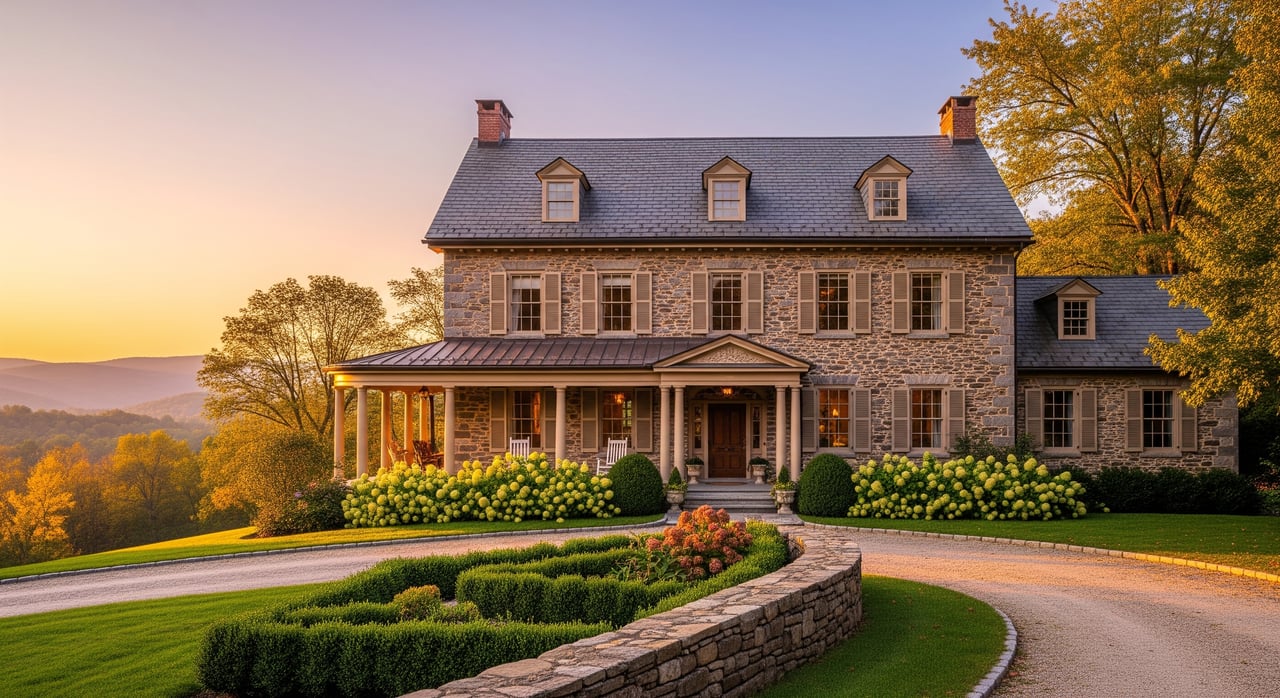
Does your Warwick home have original woodwork, wavy-glass windows, or a wraparound porch that everyone comments on? If you are thinking about selling, you may be weighing what to fix, what to preserve, and how to price a property that is anything but standard. You are not alone. Many sellers of character homes want to maximize value without losing authenticity or overspending on the wrong updates. In this guide, you will learn how to prepare, price, and market a character or heritage home in Warwick so you attract the right buyers and move forward with confidence. Let’s dive in.
Why character homes sell in Warwick
Warwick sits within Orange County and the greater New York metro, which draws buyers who appreciate history, land, and small-town charm. You will see interest from NYC-based buyers considering a primary or weekend home, local move-up buyers, downsizers, and investors who value restoration potential. Because the buyer pool is more specific than for newer homes, your strategy needs to highlight authenticity, condition, and the story of the property.
Character homes do not compete only on square footage. They compete on craftsmanship, integrity of original features, and how well major systems have been maintained. When you present clear documentation and thoughtful, preservation-minded updates, you help buyers justify a strong offer.
Confirm designations, rules, and incentives
Start by confirming whether your home is listed on the National or State Registers, or located in a local historic district. A listing on the National Register of Historic Places is typically honorary for private owners. Local landmark or district rules, when they exist, can require design review for exterior changes. The New York State Historic Preservation Office can help you understand listings and available guidance.
Tax credits for historic rehabilitation are usually aimed at income-producing properties. Single-family homes seldom qualify, so plan your budget accordingly. If you think your home sits in a local district, check with the Town or Village building departments before starting exterior work so you avoid delays later.
Disclosures and environmental checks for older homes
Older homes require careful, transparent disclosures. Federal law requires sellers of pre-1978 homes to disclose known lead-based paint hazards and to provide the EPA/HUD pamphlet. You can review the federal requirements and the “Protect Your Family From Lead In Your Home” resource through the EPA’s lead disclosure page.
If your home uses or previously used heating oil, confirm whether any tanks are buried and whether documentation exists for removal or abandonment. Many buyers and lenders will ask. For properties on private septic, a recent inspection can prevent last-minute surprises. If your lot borders streams or low-lying areas, check your risk using the FEMA Flood Map Service Center and gather any elevation or insurance information you have.
Pre-listing inspections and documentation
A pre-listing inspection package can reduce friction, give buyers confidence, and help you negotiate from strength. Consider:
- Full home inspection covering structure, roof, foundation, and moisture management.
- Electrical inspection that identifies knob-and-tube wiring or grounding issues.
- HVAC and chimney or flue evaluation, including any oil tank documentation.
- Wood-destroying organism inspection where relevant.
- Septic inspection, if applicable, and radon testing if common in your area.
Choose professionals who follow recognized standards, such as members of the American Society of Home Inspectors. Then assemble a clean documentation packet that includes maintenance records, permits, past inspection reports, any historic provenance, surveys, and receipts for restoration work. A concise historic features sheet is invaluable.
What to fix versus what to preserve
Tackle safety, function, and building envelope issues first. That means addressing electrical hazards, active leaks, structural concerns, and mechanical systems that are at or beyond useful life. Reliable heat and hot water matter to buyers and appraisers alike.
For finishes, lean into preservation-minded choices. Refinish original wood floors, repair rather than replace period windows when feasible, and keep original millwork and doors. In kitchens and baths, aim for functional, attractive updates that respect the home’s era instead of full remodels that erase character. Fresh paint in a cohesive, period-appropriate palette, improved lighting, and modest landscaping are high-ROI touches that showcase architecture without overspending.
Staging and photography that honor the house
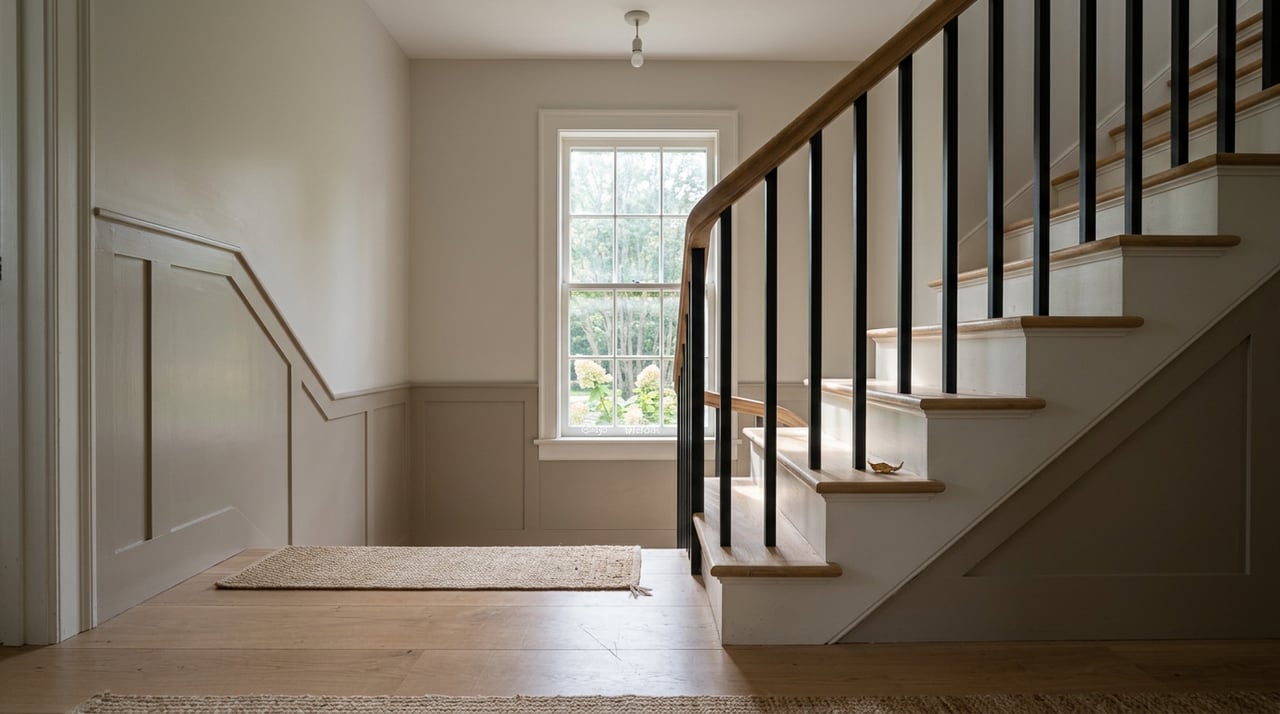
Staging should frame original features, not compete with them. Use furnishings that allow sightlines to fireplaces, built-ins, staircases, and moldings. Include a simple features sheet that calls out materials, dates, and notable details buyers might miss on a quick tour.
Hire a photographer with experience shooting older homes. Ask for detail shots of hardware, millwork, and windows, plus exterior context such as porches, gardens, and mature trees. The National Trust for Historic Preservation offers helpful guidance on presenting historic properties in a way that educates and inspires.
Pricing strategy for Warwick character homes
When building your pricing strategy, comps should reflect age, architectural style, lot setting, and condition, not just square footage. Work with a local agent who can pull relevant sales from the regional MLS and adjust for preservation work and original features. If similar comps are scarce, provide restoration receipts and system upgrade documentation so appraisers have more to work with.
You can price to attract a broader buyer pool or aim for a niche premium buyer who values authenticity. The right approach depends on condition, timing, and demand. If significant deferred maintenance exists, consider offering credits rather than rushing major projects that may not yield full return.
Marketing that reaches the right buyers
Effective marketing tells the story of your home with accuracy and care. Your listing should highlight provenance, original features, and sympathetic updates. Use high-resolution photography, floor plans, and, when appropriate, drone imagery to show setting and scale.
Target channels that reach preservation-minded audiences, including the regional MLS, social media tuned to NYC and Hudson Valley buyers, and outreach through local cultural or historical organizations. Broker open houses for agents who work with out-of-area and historic-home buyers can accelerate momentum. During showings, provide the features sheet and inspection summaries to pre-empt concerns.
Appraisals and negotiation
Make it easy for the appraiser to understand what makes your home valuable. Share your features sheet, list of comparable historic sales, and documentation for repairs and upgrades. Many buyers of historic homes expect some maintenance needs, but they want clarity on scope and cost.
When you receive offers, use your inspection packet to support price and to structure repairs versus credits. In New York, transactions typically include attorney review, so retain counsel familiar with local regulations and historic property nuances. Clear disclosures reduce the risk of post-contract issues.
Closing checklist and handoff
As you move toward closing, confirm title status, known easements, and any restrictive covenants. Gather property tax history and assessed value records so buyers have a clear picture. Coordinate with your attorney and title company on transfer taxes and closing costs, which vary by jurisdiction and price point.
At handoff, provide maintenance records, manuals, contractor contacts, and any open permit documentation. This stewardship mindset reassures buyers and preserves the legacy of your home.
Quick seller checklist
- Order pre-listing inspections for structure, electrical, HVAC, septic, and pests.
- Compile permits, maintenance logs, restoration receipts, surveys, and provenance.
- Verify any local historic district rules and state or national register status.
- Address safety and system priorities first, then make sympathetic cosmetic updates.
- Create a one to two-page historic features sheet for buyers and appraisers.
- Use high-quality, detail-forward photography and targeted marketing channels.
- Align pricing with condition and buyer pool, and plan for credits where strategic.
- Work with a local agent, attorney, and title company who understand historic homes.
Ready to position your Warwick character home for a standout sale with white-glove marketing and skilled negotiation? Schedule a consultation with Rebecca A Bank to craft a plan tailored to your property and goals.
FAQs
What is a character home in Warwick and who buys it?
- In Warwick, character homes are older properties with original architectural features and craftsmanship; buyers include NYC metro residents seeking historic charm, local move-up buyers, downsizers, and investors who value restoration potential.
Do I need approval to change the exterior of a historic home in Warwick?
- National Register listing is usually honorary for private owners, but local landmark or district rules can require design review for exterior changes; verify with Town or Village building departments and check the New York State Historic Preservation Office.
How should I handle lead paint when selling an older Warwick home?
- For pre-1978 homes, federal law requires disclosure of known lead hazards and delivery of the EPA/HUD pamphlet; review requirements on the EPA lead disclosure page and consult your agent and attorney on local practice.
Should I fully renovate kitchens and baths before listing an older home?
- Usually no; focus on functional, sympathetic updates that preserve historic fabric, such as refinishing wood, improving lighting, and refreshing paint, rather than full remodels that remove original character.
How do appraisals treat historic features in Orange County?
- Appraisers prioritize comparable sales of similar age, style, and condition; when comps are limited, your features sheet and documentation of restoration and system upgrades help support value.
What documents should I provide buyers for a Warwick character home?
- Provide pre-listing inspections, permits, maintenance records, historic provenance, surveys, and receipts for recent work, plus a concise features sheet that highlights original elements and upgrades.