Dreaming of a Hudson Valley home where your daily routine does not have to revolve around your car? Cold Spring stands out because it offers something many buyers want but struggle to find: a small river village with direct rail access, a compact historic core, and everyday amenities close together. If you are hoping for a more walkable lifestyle without giving up access to New York City, this guide will help you understand where Cold Spring works especially well for car-light living, where the tradeoffs show up, and what to weigh before you buy. Let’s dive in.
Why Cold Spring Appeals to Car-Light Buyers
Cold Spring is a small Hudson River village of about 2,000 residents, incorporated in 1846 and located roughly 50 miles north of New York City. The village is also a Federal Historic District, which helps explain its preserved streetscape and traditional village feel.
For buyers, that matters because Cold Spring functions more like a compact village than a spread-out suburb. Shops, restaurants, the waterfront, recreational spaces, and the train station are part of daily life here, not destinations that always require a drive.
The village itself highlights hiking, boating, kayaking, cycling, and waterfront access as part of the local experience. If you value being able to step out your front door and move through the day on foot more often, Cold Spring offers a setup that naturally supports that goal.
Where Walkability Works Best
If a car-light lifestyle is high on your list, location inside Cold Spring matters a great deal. In general, homes closest to Main Street, the lower village, and the train station are best positioned for a mostly walkable routine.
That is not just a lifestyle assumption. It lines up with where the village concentrates pedestrian connections, shops, parking controls, and public access points.
Village materials also show ongoing attention to pedestrian infrastructure. Recent roadway work has included curbs, ramps, and crosswalks, and the village has also addressed repairs to the pedestrian tunnel, which reinforces that foot traffic is an important part of how people move around here.
Winter maintenance supports that pattern too. Village rules require property owners to keep a three-foot sidewalk clearance free of snow and ice in front of their buildings and lots, which helps maintain walkability during colder months.
Best Areas for a Car-Light Routine
Buyers who want to rely less on a car should pay close attention to proximity. In Cold Spring, a more convenient day-to-day setup often means easier access to:
- Main Street shops and restaurants
- The Metro-North station
- The waterfront and parks
- Village sidewalks and pedestrian connections
- Daily errands within the historic core
As you move farther uphill or outside the village core, the experience can shift. Those properties may still offer the Cold Spring lifestyle, but they are more likely to feel car-dependent for regular errands or commuting.
Train Access Makes the Difference
For many buyers, the biggest reason Cold Spring works as a car-light destination is the train. Cold Spring station sits on Metro-North’s Hudson Line, with direct service to Grand Central.
That direct rail access changes the equation for commuters. You may still choose to own a car, but you do not have to rely on it for the daily trip into the city if your home is well positioned relative to the station.
The station is currently listed as accessible, with elevators, a ramp, and tactile warning strips. Trip times vary by train and by day, so buyers who expect to commute regularly should review current Metro-North schedules as part of their home search planning.
What This Means for Buyers
A train-served village does not automatically mean every property feels commute-friendly. The most practical homes for car-light living are often the ones that reduce friction between your front door, the station, and the rest of village life.
When you tour homes, think beyond the house itself. A property that looks great on paper may feel very different if the walk to the station, Main Street, or everyday conveniences does not fit the routine you actually want.
Parking Is the Main Tradeoff
Cold Spring’s walkable setup comes with a tradeoff that buyers should understand clearly: parking can be more limited and more regulated than in a typical suburban setting. If you are used to broad driveways and easy street parking, this is one of the biggest mindset shifts.
The village’s Residential Parking Program applies on Friday, Saturday, and Sunday from 9 a.m. to 6 p.m. on several streets around Main Street. Permit holders may park on any street within the district, and the village says about 20% of spaces in the Residential Parking Program area, around 74 spaces, are public and do not require a permit.
For some buyers, this is a reasonable tradeoff for being able to walk to the train, shops, and waterfront. For others, especially households with multiple vehicles or frequent guests, parking needs may shape which block or property type makes the most sense.
Questions to Ask About Parking
Before making an offer, it is smart to clarify how parking works for a specific home. Focus on practical details such as:
- Whether the property has off-street parking
- Whether the home falls near Residential Parking Program streets
- How guest parking typically works on weekends
- How often you expect to use a car versus walk or take the train
A car-light lifestyle usually works best when your parking expectations match the reality of the location.
Outdoor Access Is Part of Daily Life
One of Cold Spring’s biggest strengths is how closely village living connects to the outdoors. The village highlights boating, hiking, cycling, kayaking, parks, and the waterfront as part of the local experience.
Hudson Highlands State Park Preserve adds another layer to that appeal. New York State Parks says the preserve spans more than 8,000 acres with over 70 miles of trails and supports activities such as hiking, boating, fishing, and birding.
For buyers, this means a car-light lifestyle in Cold Spring is not only about commuting. It can also mean easier access to recreation and time outside, especially if you choose a home that lets you move easily between the station, Main Street, and the riverfront.
A Current Trail Closure to Know
There is one important update buyers should keep in mind. Breakneck Ridge, other nearby trails, and the adjacent Breakneck Ridge Metro-North station are closed starting April 21, 2025 for a two-year period during work on the Hudson Highlands Fjord Trail’s Breakneck Connector and Bridge project.
State Parks says the larger Fjord Trail is planned as a 7.5-mile publicly accessible shared pedestrian and bicycle linear park connecting Cold Spring in Putnam County with Beacon in Dutchess County. That long-term project may be meaningful for future access, but buyers should evaluate the current conditions rather than rely on future plans alone.
State Parks also notes that parking is limited at many trailheads. Additional parking for the Little Stony Point area is available at the Cold Spring train station, which is another example of how station access and recreation are closely tied here.
Historic District Rules Matter
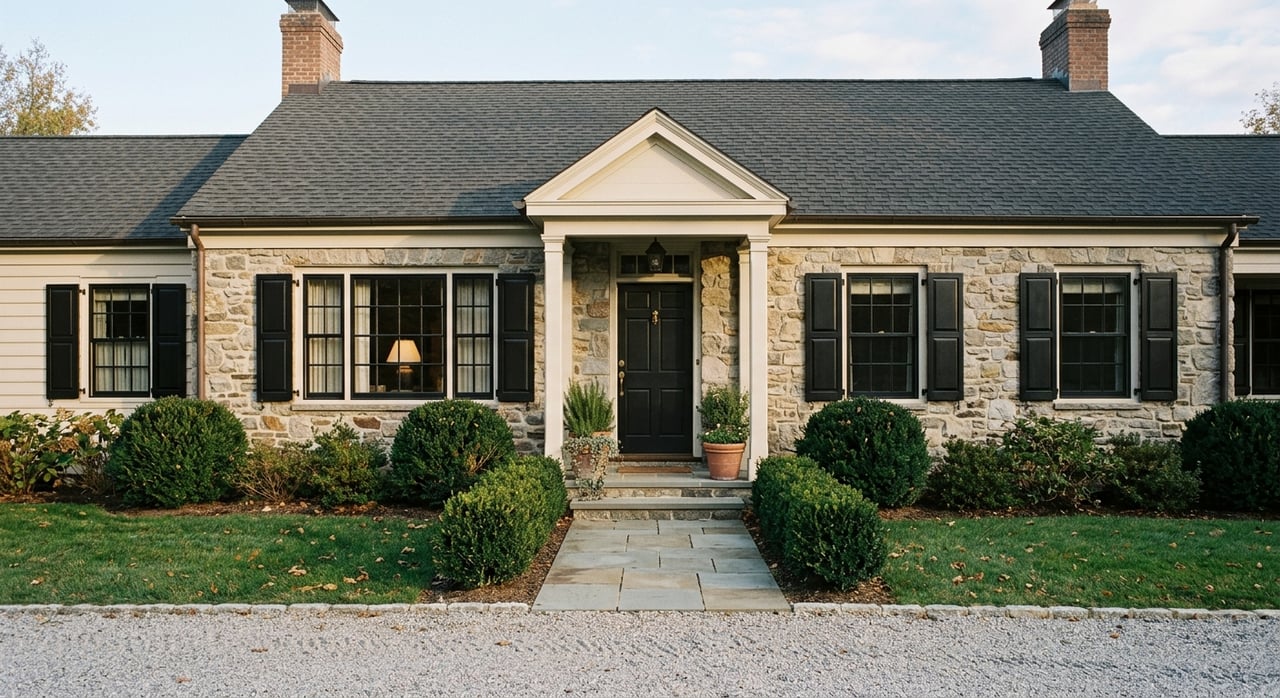
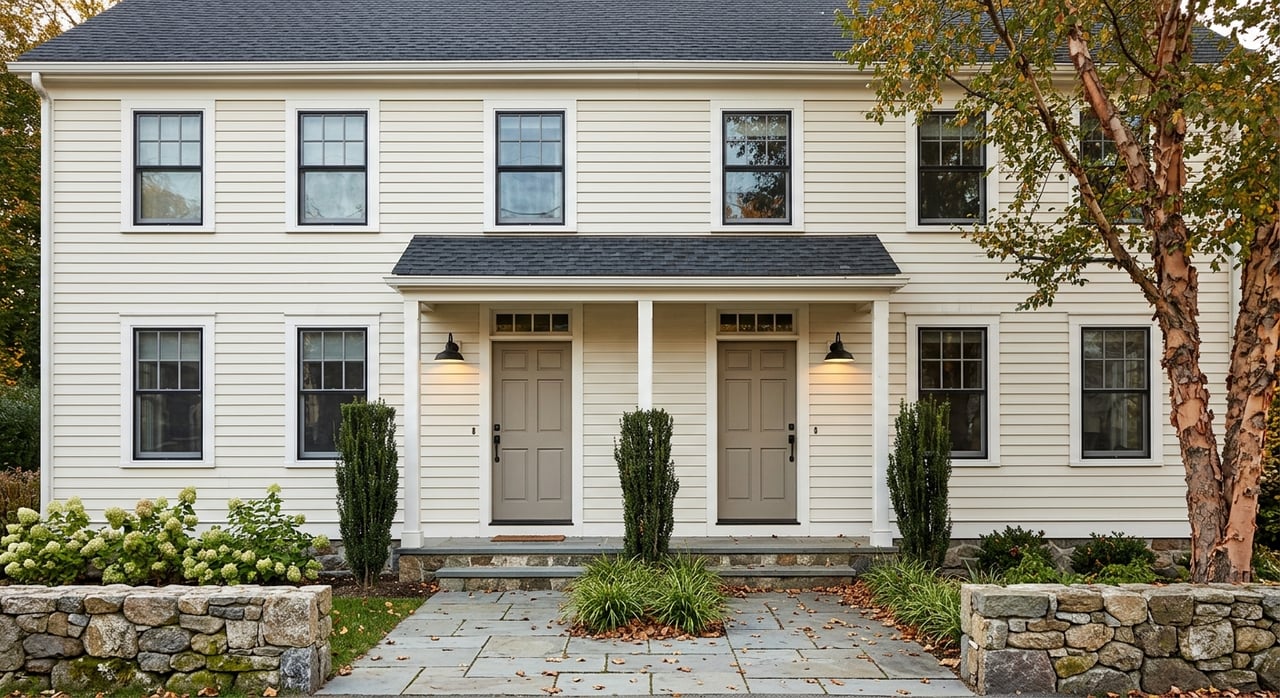
Cold Spring’s preserved character is part of its appeal, but it also comes with responsibilities. If you are buying within the historic district, exterior changes require a Certificate of Appropriateness and must comply with the village’s Architectural and Historic District Design Standards.
For the right buyer, that is part of the value. These standards are intended to preserve the village’s mid- to late-19th-century character, which helps maintain the setting that draws people here in the first place.
Still, it is important to be realistic. If your vision involves major exterior changes, modern alterations, or quick cosmetic updates, you will want to understand those requirements before you buy.
Is Cold Spring Right for You?
Cold Spring is a strong fit if you want a compact Hudson River village where rail access, walkability, and outdoor recreation are part of everyday living. It is especially appealing if your ideal routine includes walking to the station, spending time on Main Street, and enjoying a preserved historic setting.
It may be less ideal if you want easy parking everywhere, a more auto-oriented layout, or maximum flexibility for exterior changes to a historic property. In other words, Cold Spring rewards buyers who value convenience through proximity, not through driving.
The key is matching the right property to the lifestyle you actually want. In a village like this, a few blocks can make a meaningful difference in how often you walk, how easily you commute, and how naturally your home supports a car-light routine.
If you are considering Cold Spring or comparing Hudson Valley towns with different commuting and lifestyle patterns, Rebecca A Bank can help you evaluate the details that matter most and find a home that fits the way you want to live.
FAQs
Is Cold Spring, NY good for car-light commuting?
- Yes. Cold Spring can work well for car-light commuting because it has Metro-North Hudson Line service to Grand Central and a compact village layout where homes near Main Street and the station are best positioned for walking.
What part of Cold Spring, NY is most walkable?
- The areas closest to Main Street, the lower village, and the train station generally offer the most walkable setup for daily errands, dining, and commuting.
Does Cold Spring, NY have parking restrictions near Main Street?
- Yes. The village’s Residential Parking Program applies on Friday, Saturday, and Sunday from 9 a.m. to 6 p.m. on several streets around Main Street, with some public spaces still available in the district.
Can you commute from Cold Spring, NY to New York City by train?
- Yes. Cold Spring station is on Metro-North’s Hudson Line and offers direct service to Grand Central, with exact travel time depending on the specific train and schedule.
Do historic district rules affect homes in Cold Spring, NY?
- Yes. In the historic district, exterior changes require a Certificate of Appropriateness and must comply with the village’s design standards.
Are Cold Spring, NY hiking trails fully open right now?
- No. Breakneck Ridge, some nearby trails, and the Breakneck Ridge Metro-North station are closed beginning April 21, 2025 for a two-year project, although the broader area still offers outdoor access and recreation.