If Cold Spring has been your favorite weekend reset, you are not alone. The river views, historic streets, and easy train access make it easy to imagine staying longer. But living here full-time is different from visiting for a day, and understanding that difference can help you decide whether Cold Spring fits the life you want next. Let’s dive in.
Why Cold Spring Feels Different Full-Time
Cold Spring is not just a scenic Hudson River stop. The village describes itself as a community of roughly 2,000 residents about 50 miles north of New York City, with strong ties to the Hudson River, historic preservation, and the legacy of West Point Foundry. That means the charm you notice on a weekend sits inside a real, functioning village with year-round routines and responsibilities.
As a visitor, you may experience Cold Spring through its waterfront, restaurants, shops, and trails. As a resident, you also start to notice the municipal side of village life, including water and wastewater services, garbage and recycling, village taxes, and residential parking rules. That shift matters because buying here is as much about lifestyle fit as it is about curb appeal.
What Daily Life Looks Like
Main Street Has Character
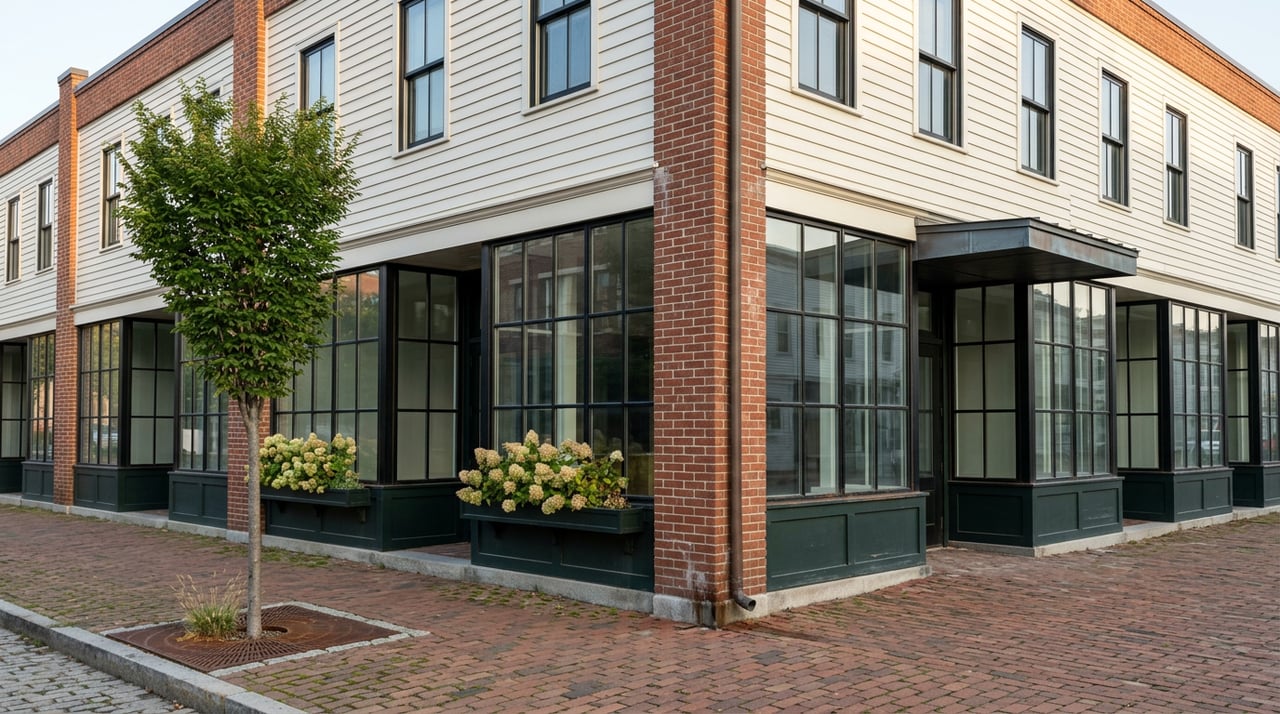
Cold Spring’s comprehensive plan describes Main Street as a corridor filled with antique shops, boutiques, galleries, restaurants, cafes, lodging, professional offices, and municipal facilities. It is one of the village’s defining features, and it gives daily life a walkable, historic feel that many buyers want when they leave city life or a purely suburban routine.
That said, Main Street is not the same as a large suburban retail center. The village planning documents note that while you will find conveniences like restaurants, take-out options, cafes, and a hardware store, many daily needs are typically met on Chestnut Street or farther along the Route 9 corridor. In simple terms, you get charm and convenience, but not every errand will happen in the center of the village.
Weekends and Weekdays Feel Different
One of the biggest adjustments for full-time residents is the weekly rhythm. Cold Spring draws visitors for its scenery, shopping, historic sites, and outdoor access, so weekends can feel more active and concentrated than weekdays.
If you are thinking about buying here, it helps to ask yourself a practical question: do you want to live in a village that feels lively on weekends and calmer during the week? For many buyers, that contrast is part of the appeal. For others, it is something to weigh carefully before making a move.
Parking Is Part of the Lifestyle
Parking in Cold Spring is not a minor detail. It is part of how you live here.
The village states that the Residential Parking District requires permits from 9 a.m. to 6 p.m. on Fridays, Saturdays, and Sundays on certain streets around Main Street. The municipal lot on Fair Street is paid, metered parking for residents and visitors, and the village also maintains winter parking rules along with temporary off-street options during storms.
For someone moving from weekend visitor to full-time resident, this is one of the clearest lifestyle shifts. When you visit, parking may feel like a short-term inconvenience. When you live here, it becomes part of your weekly planning, especially near the village center.
Commuting and Getting Around
Train Access Is a Major Draw
Cold Spring’s location on the Hudson Line remains one of its strongest advantages. The village’s official information points visitors toward public transportation, including Metro-North, and the MTA notes that East-of-Hudson service operates from Grand Central Terminal.
For buyers who want a Hudson Valley setting without giving up rail access, that can be a major reason to consider Cold Spring. It supports a lifestyle that feels connected to New York City while still offering a smaller-scale home base.
A Car-Light Life Is Possible, Not Complete
The Cold Spring station is accessible and has ticket machines, and there is also a weekend PART Cold Spring Trolley connection that runs Saturdays and Sundays from Memorial Day to Veterans Day. That helps support local movement during the busier visitor season.
Still, full-time life here usually works best when you plan carefully around train schedules, parking rules, and errands beyond the village core. Cold Spring may support a car-light lifestyle better than many towns, but it does not remove the need to think through transportation in a practical way.
Housing Has History and Variety
Historic Character Shapes the Market
Cold Spring has a strong preservation framework, and that affects both the look of the village and the ownership experience. The Historic District Review Board reviews exterior architectural changes for new construction, renovations, and structural improvements within the historic district.
The village’s design standards reference a range of local architectural styles, including Federal, Greek Revival, Italianate, Gothic Revival, Second Empire, Queen Anne-related variants, and Colonial Revival. At the same time, many village buildings are simpler vernacular or folk structures tied to Cold Spring’s industrial past. For buyers, that often means a housing stock with real visual character rather than a one-note streetscape.
Different Buyers Will Be Drawn to Different Settings
The village history also points to a mix of housing patterns. Near the village center, you may find more compact, walkable historic homes tied closely to Main Street and rail access. Elsewhere in the village fabric, the history of larger homes along roads like Morris Avenue helps explain why some properties feel more private or estate-like.
That range is useful if you are trying to match a home to the life you actually want. Some buyers care most about being able to walk to the train, shops, and waterfront. Others want more space, a quieter setting, or a property with a different scale. In Cold Spring, those choices can feel especially tied to the village’s history and layout.
Recreation Still Matters When You Live Here
One reason people fall for Cold Spring on weekends is the outdoor access. That does not lose value once you move in. In many ways, it becomes part of your regular routine.
New York State Parks says Hudson Highlands State Park Preserve includes more than 8,000 acres and over 70 miles of trail, with hiking, boating, fishing, and birding across a range of terrain. For full-time residents, that means outdoor options are not reserved for long weekends. They can become part of an ordinary Tuesday or a quick morning walk before work.
There is one current update to keep in mind. The state says the Breakneck Ridge Trailhead and adjacent Breakneck Ridge Metro-North Station closed beginning April 21, 2025 for a two-year construction period connected to the Hudson Highlands Fjord Trail project. If trail access is a major part of your decision, it is worth factoring that change into how you picture day-to-day recreation in the near term.
A Note on Schools and Village Routine
For buyers who are planning around school logistics, Cold Spring is served by Haldane Central School District. The district describes itself as a small district with three schools on one campus in the Village of Cold Spring.
From a daily-life standpoint, that single-campus setup can shape how families think about drop-offs, activities, and events. It is another example of how Cold Spring functions as a compact village where many routines are concentrated rather than spread widely across separate areas.
Is Cold Spring Right for You?
Cold Spring can be a compelling full-time choice if you want a home that blends rail access, historic character, small-village scale, and strong outdoor proximity. It offers a living environment that feels distinct from a typical suburb and more structured than a simple weekend destination.
The key is to go in with clear eyes. Full-time life here includes village systems, parking rules, concentrated visitor traffic on busy days, and the reality that some errands take you outside the core. When you understand those tradeoffs, you can better see whether Cold Spring fits not just your taste, but your routine.
If you are thinking about making that transition, the most helpful next step is to look beyond the postcard version of the village. Pay attention to block-by-block feel, train access, parking realities, and the kind of property that best supports your goals. With the right strategy, you can find a home that captures what you love about Cold Spring while also working for everyday life.
If you are exploring a move to Cold Spring or another Hudson Valley town, Rebecca A Bank offers thoughtful, high-touch guidance to help you evaluate lifestyle fit, property value, and the details that matter in a successful move.
FAQs
What is daily life like for full-time residents in Cold Spring, NY?
- Full-time life in Cold Spring combines a walkable historic village setting with everyday municipal routines like parking, trash and recycling, water and wastewater services, and errands that may extend beyond Main Street.
Is Cold Spring, NY good for commuting to New York City?
- Cold Spring offers Metro-North Hudson Line access, and MTA notes East-of-Hudson service operates from Grand Central Terminal, making rail commuting a major draw for many residents.
Do you need a car to live in Cold Spring, NY?
- Cold Spring can support a car-light lifestyle, especially with train access and a compact village center, but many residents still plan around parking rules, seasonal transit options, and errands outside the core.
What should buyers know about parking in Cold Spring, NY?
- The village has a Residential Parking District with permit requirements on certain streets near Main Street during set hours on Fridays, Saturdays, and Sundays, plus winter parking rules and municipal lot parking.
What kind of homes are in Cold Spring, NY?
- Cold Spring includes a mix of historic housing types, from compact walkable homes near the village center to larger properties in other parts of the village, shaped by its preservation standards and development history.
What outdoor recreation is available near Cold Spring, NY?
- Residents have access to Hudson Highlands State Park Preserve, which includes more than 8,000 acres and over 70 miles of trails, along with boating, fishing, and birding opportunities.