If you are weighing new construction versus an older home in Goshen, you are really choosing between two different ownership experiences. One may offer a more predictable start with modern layouts and stronger energy performance, while the other may offer historic character, established streetscapes, and room to personalize over time. The right fit depends on how you want to live, what level of upkeep you are comfortable with, and how you think about long-term value. Let’s dive in.
Goshen Housing Has Two Stories
Goshen is not a one-note market, and that matters when you compare newer homes with older ones. The Village of Goshen has a compact, historic feel, with the Church Park Historic District, large Victorian homes on South Church and South Streets, and early homesteads noted by the village itself.
The numbers help frame that context. Census Reporter shows the village has 2,575 housing units, with 62% owner-occupied housing, 62% single-unit housing, and a median owner-occupied value of $396,300. In the broader Town of Goshen, there are 5,381 housing units, with 79% owner-occupied housing, 77% single-unit housing, and a median owner-occupied value of $458,700.
What does that mean for you? In practical terms, the village often reads as more character-driven, while the broader town offers a larger pool of detached homes. When you start your search, the first question may not be simply new or old, but whether you are drawn to the village’s historic fabric or the town’s broader residential setting.
What New Construction Often Offers
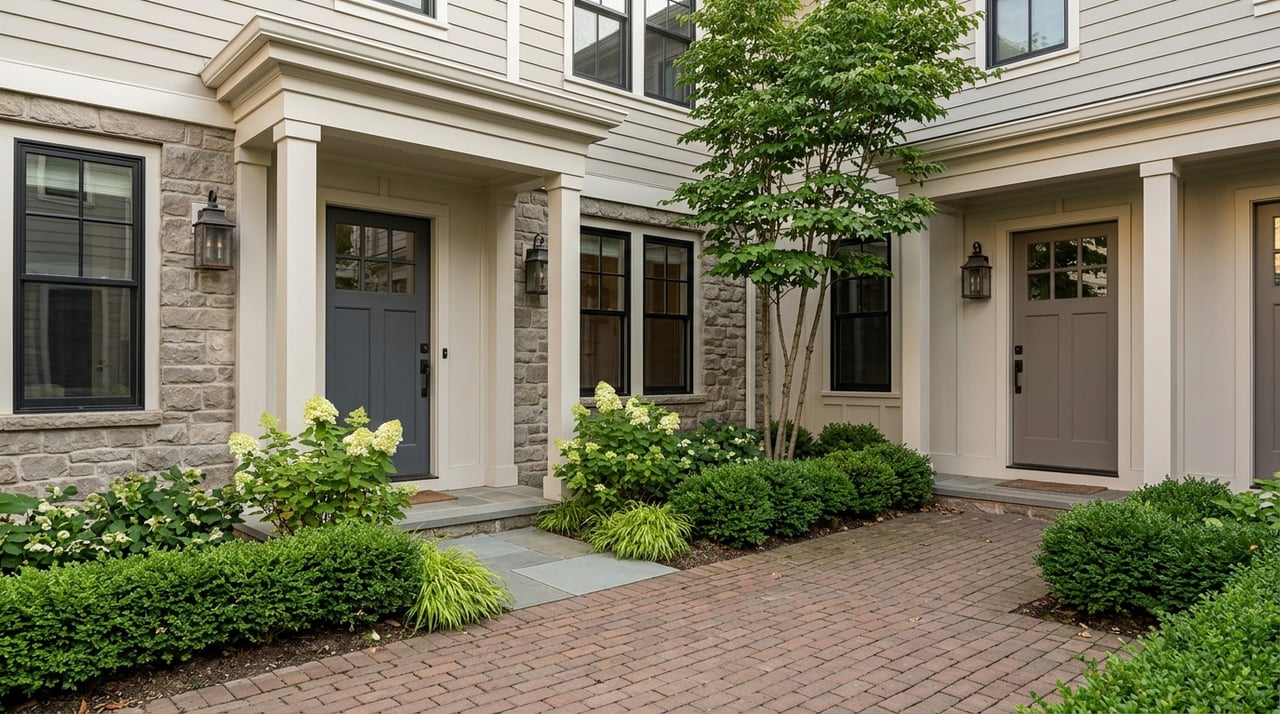
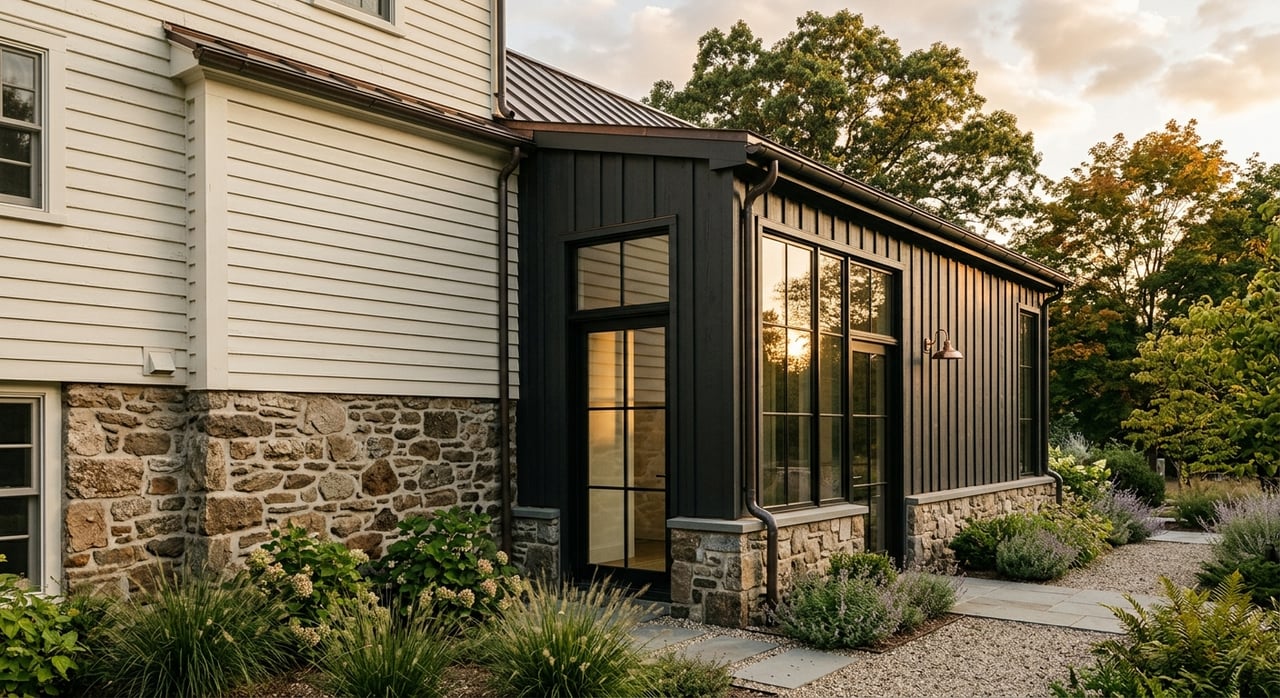
New construction tends to appeal to buyers who want a cleaner starting point. In general, newer homes are more likely to feature open floor plans, larger kitchens connected to main living areas, and flexible spaces that support changing needs over time.
That layout difference can be meaningful in daily life. If you like a more casual flow, stronger natural light, and spaces that feel ready for modern living without immediate changes, new construction may feel easier from day one.
Energy performance is another major advantage. ENERGY STAR certified new homes are at least 10% more energy efficient than homes built only to code and about 20% more efficient on average. DOE Efficient New Homes are also verified for energy savings, comfort, health, and durability.
For many buyers, that can translate into lower day-to-day surprises early in ownership. It can also mean fewer near-term projects tied to insulation, heating and cooling efficiency, or major system upgrades.
New Construction in Goshen Still Requires Local Review
Even when a home is brand new, it still moves through local and state requirements. In New York, the State Energy Conservation Construction Code governs energy-code compliance statewide.
In the Town of Goshen, permits are required for work subject to the Uniform Code or Energy Code, and a Certificate of Occupancy or Certificate of Compliance serves as proof that the work substantially meets state and town safety requirements. In the Village of Goshen, permit applications must include plans and specifications, and occupancy is not allowed before a Certificate of Occupancy is issued.
For you as a buyer, this means new does not mean informal. It is still important to ask about permits, approvals, and certificate history so you understand what has been completed and signed off.
What Older Homes Often Offer
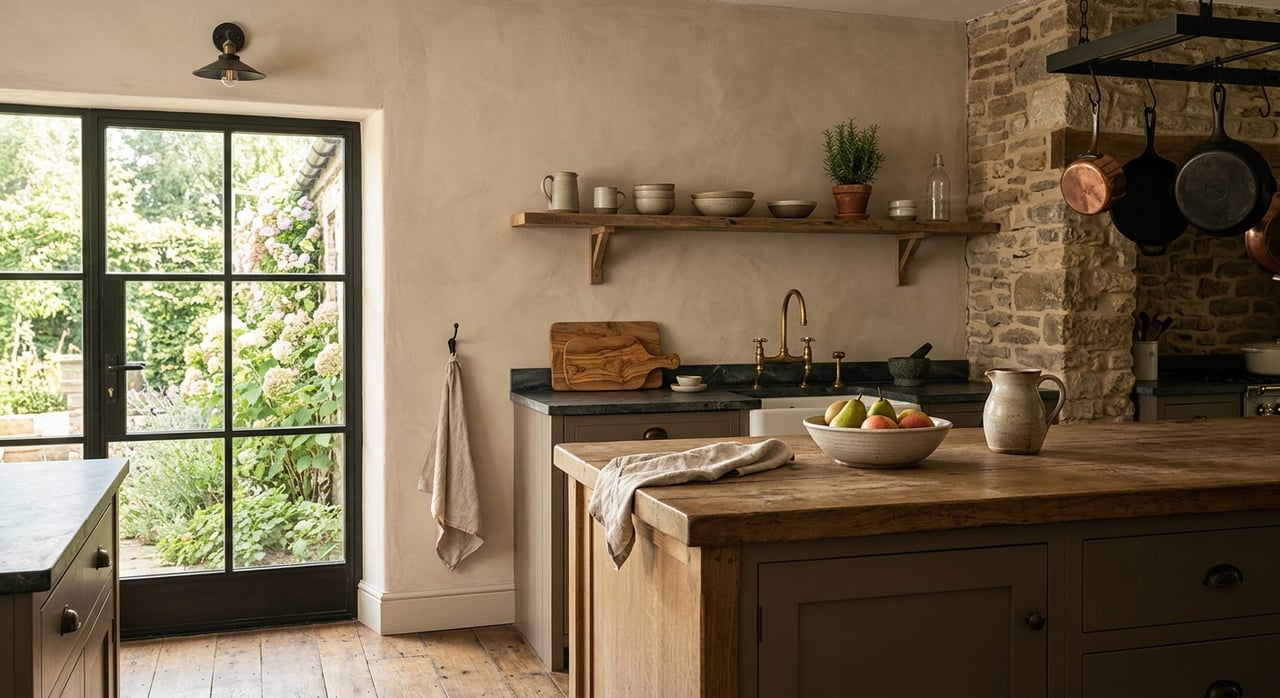
Older homes are a major part of Goshen’s identity. The village highlights historic architecture, including Victorian homes and early homesteads, which gives many properties a distinct sense of place that newer construction may not try to replicate.
For some buyers, that character is the point. You may be drawn to original details, traditional proportions, mature settings, and the feeling of living in a home with a longer story.
Older homes can also offer a different kind of opportunity. If you enjoy making thoughtful updates over time, an older property may give you more room to shape the home around your own priorities rather than paying upfront for finishes and features chosen by a builder.
Historic Overlays Can Affect Exterior Changes
In Goshen, historic character can come with added review. The village zoning map identifies both an Architectural Design Overlay and a Church Park Historic Overlay, and the village’s Architectural Design District acknowledgment form must be attached to building permit applications in that district.
That does not make improvement impossible, but it can affect how exterior changes are reviewed. If you are considering an older home in one of these areas, you will want clarity early on about what kinds of updates may require extra approval.
Older Homes Need More Diligence
Charm is real, but so is maintenance. Older homes usually call for more careful review of systems, materials, and prior work before you close.
One of the biggest examples is lead-based paint. EPA and HUD state that homes built before 1978 trigger lead-paint disclosure requirements, and EPA notes that the older the home, the more likely it is to contain lead-based paint. EPA estimates that about 87% of homes built before 1940 and 24% of homes built from 1960 to 1978 contain some lead-based paint.
If renovation work disturbs painted surfaces in pre-1978 housing, that work should be done by lead-safe certified contractors. For buyers considering an older Goshen home, this is an important part of planning both your budget and your renovation timeline.
Weatherization May Be Part of the Plan
Older homes are also strong candidates for a whole-house weatherization approach. The Department of Energy frames this as evaluating the building envelope, heating and cooling, electrical systems, and appliances together rather than treating each item in isolation.
In real life, that often means you may want to plan for insulation, air sealing, HVAC improvements, or window updates after closing. That does not make an older home a poor choice. It simply means the ownership path may involve more phased improvement.
How to Decide Which Fits You
The best choice depends less on general rules and more on your tolerance for projects, your design preferences, and your ownership goals. Both paths can make sense in Goshen.
Choose new construction if you want:
- A more modern layout
- Stronger energy performance
- Fewer immediate renovation decisions
- A more predictable early ownership period
Choose an older home if you want:
- Historic character
- Established streetscapes
- More opportunities to personalize over time
- A home that may reward thoughtful updates
If you feel torn, start with lifestyle rather than age. Ask yourself whether you want a move-in-ready baseline or whether you are excited by the process of improving and shaping a home over time.
Questions to Ask Before You Buy
In Goshen, a smart comparison comes down to due diligence. Whether a home is new or old, clear documentation can help you avoid costly surprises.
Here are some of the most useful questions to ask:
- Is there a permit history for major work?
- Is there a Certificate of Occupancy or Certificate of Compliance history?
- Was the home built before 1978?
- Is the property located in a village overlay district?
- Which major systems are original?
- Which major systems have been replaced or updated?
These questions matter because they help you compare homes on facts, not just appearance. A beautifully presented older home may still need system upgrades, while a newer home may still require confirmation that all approvals were properly completed.
A Practical Way to Compare Costs
It helps to think beyond the purchase price alone. The better value for you may come from the home that aligns with your time, budget, and appetite for projects.
A new home may cost more upfront but reduce your near-term maintenance and efficiency concerns. An older home may offer character and personalization potential, but you should plan carefully for updates, permit considerations, and possible lead-safe renovation needs.
That is where a thoughtful, local buying strategy matters. When you compare homes in Goshen through both a financial and lifestyle lens, the right choice usually becomes much clearer.
If you want help sorting through Goshen’s historic homes, newer options, and the details that matter during due diligence, Rebecca A Bank offers a personalized, high-touch approach grounded in local insight, financial clarity, and careful guidance from search to closing.
FAQs
What is the main difference between new construction and older homes in Goshen, NY?
- New construction in Goshen typically offers more modern layouts, stronger energy performance, and fewer immediate renovation needs, while older homes often offer historic character, established settings, and more opportunities for customization over time.
Are older homes in Goshen, NY more likely to need updates?
- Yes. Older homes may require more diligence around insulation, air sealing, HVAC, windows, and other major systems, depending on the home’s age, condition, and update history.
Do historic homes in the Village of Goshen have extra renovation rules?
- Some do. The Village of Goshen has an Architectural Design Overlay and a Church Park Historic Overlay, and exterior changes in those areas may face added review during the permit process.
What should buyers ask about a newer home in Goshen, NY?
- Buyers should ask about permits, plans, and Certificate of Occupancy or Certificate of Compliance history to confirm the work was properly reviewed and approved.
Why does pre-1978 construction matter when buying an older Goshen home?
- Homes built before 1978 trigger lead-paint disclosure requirements, and renovation work that disturbs painted surfaces should be handled by lead-safe certified contractors.
Is the Village of Goshen different from the broader Town of Goshen for homebuyers?
- Yes. The village is a more compact, historic submarket, while the broader town has a larger share of detached housing, so the setting and housing mix can feel different depending on where you search.